

Services
We clear our own customs, in house, with our own agent. Import and export declarations, ATA Carnets, T1 transits and the Port Pass that gets the truck onto the ferry.
On 31 January 2020 the UK left the European Union under the Brexit withdrawal agreement and road freight got a great deal more complicated overnight, so we brought the customs work inside rather than watching trucks sit at a port waiting on somebody else's inbox. Our agent needs a Power of Attorney first. After that we can raise the entries, produce the ATA Carnet, generate the Goods Movement Reference and get the Port Pass that lets the vehicle board.


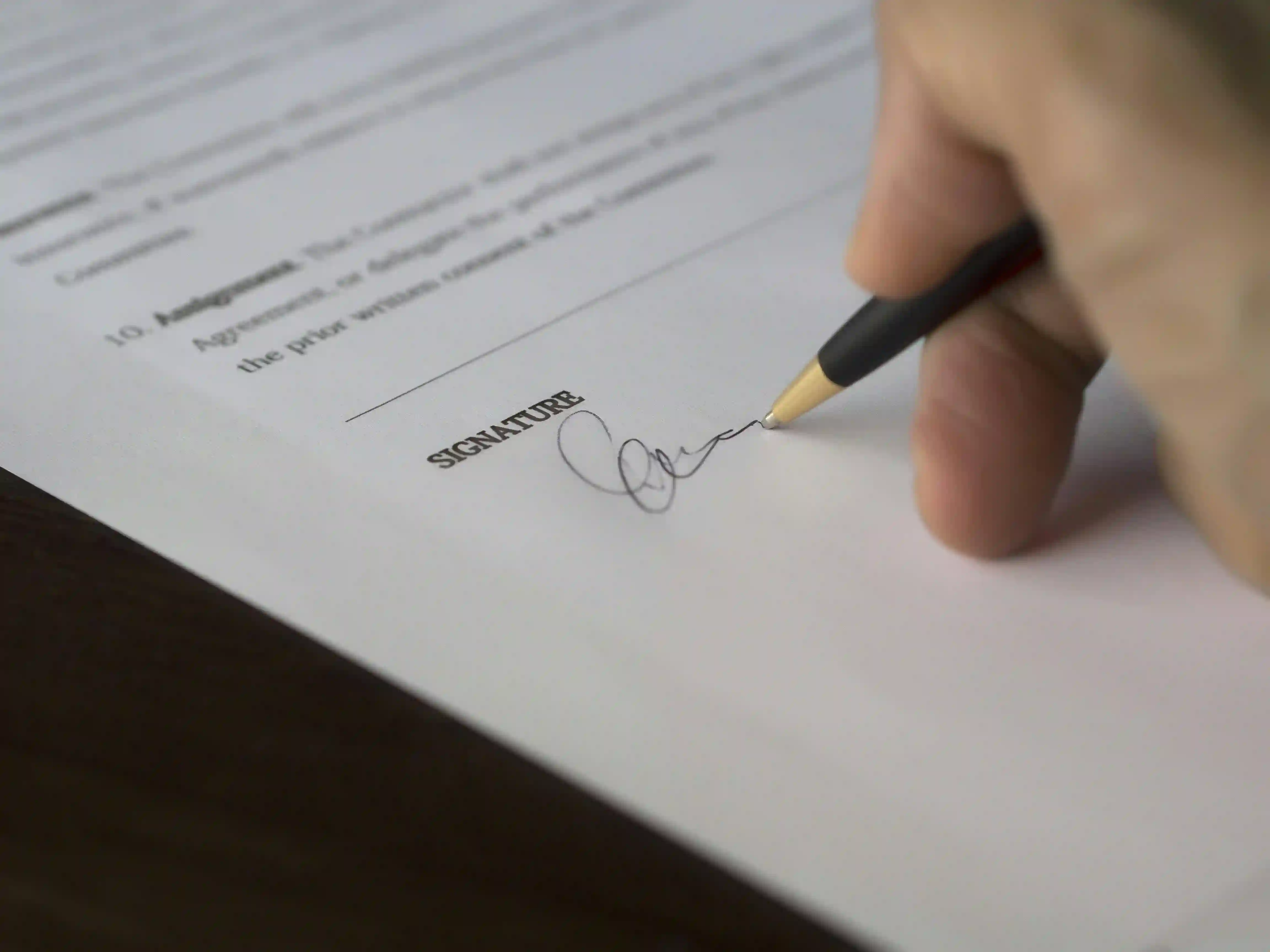
A commercial invoice and a detailed packing list to start with, showing descriptions, quantities, serial numbers, values and country of origin, plus the delivery address, the route and the dates you need to travel. We also need a Power of Attorney signed by a company official before our customs agent can act for you. For a carnet, add the itinerary, the validity dates and every country the goods will pass through, including the ones you are only driving across. Tell us as well whether you have an importer or exporter of record in the destination country, because if you do not we may be able to provide one, though that typically costs between 10 and 15 per cent of the value of the goods. Send it all through early.
Honestly, anything from an hour to the whole day. If you have a business entity in France we can have goods pre-cleared there under one of the EU VAT regimes and then delivered straight on anywhere in the EU, which is much the quickest route. Otherwise it is a T1 transit, where we collect the T1 from the customs office at the point of departure in the UK, drive to the customs office at the destination and present the goods there, and that office generally closes at 4pm and is shut all weekend. To get out of the UK port at all we need a port pass, which needs a GMR, which needs the customs entries done, which needs your commercial invoice. Get the invoice to us early and most of the delay disappears.
Use a carnet when the equipment is going out and coming back unaltered, which covers most tours, demos, exhibitions and trade shows. Nothing is sold. Everything on the list returns. Use a standard declaration when the goods are being sold, delivered permanently, consumed or modified abroad, or when the destination is outside the carnet scheme. There is a judgement call in the middle, where a temporary admission works out cheaper or simpler than a carnet, particularly on a single country trip with one crossing each way. Tell us the route, the countries and how long the kit is away, and we will tell you which one to buy.
Yes, and the return leg is where most people come unstuck. Goods that went out under a carnet have to come back the same way, with the counterfoils discharged correctly at each border, or you end up paying duty on your own equipment. For permanent exports that are coming back, faulty kit, swap outs, anything rejected on site, we plan the re-import at the same time as the export so the paperwork already exists when the vehicle turns round. Our own customs agent handles both entries. Bear in mind that European customs offices generally close at 4pm and are shut all weekend, which is why a Friday collection can become a Monday clearance.
Our customs agent is in-house, so classification is part of the entry rather than something we farm out. Send us a proper description of what is in the box, what it does and what it is made of, and we will tell you the commodity code we intend to declare it under. The final call is yours though. The code sits on your commercial invoice and it is the shipper who carries the liability for it, so if the goods are unusual or high in value we would rather you confirmed it with your own broker or with HMRC before we file anything.
Yes. We arrange the carnet, build the general list from your packing list with descriptions, serials, values and origin, and then we work it at every border, because a carnet that is not stamped in and out correctly at each crossing is a bill rather than a document. Our own vehicles and drivers do this route work constantly, so the presentations at customs are made by people who have made them before. We handle the discharge on the way back too. If a temporary admission or a standard declaration would suit the trip better, we will say so before you pay for a carnet you do not need.
Send site addresses and an approximate asset list. We will return a secure plan and confirmed date.