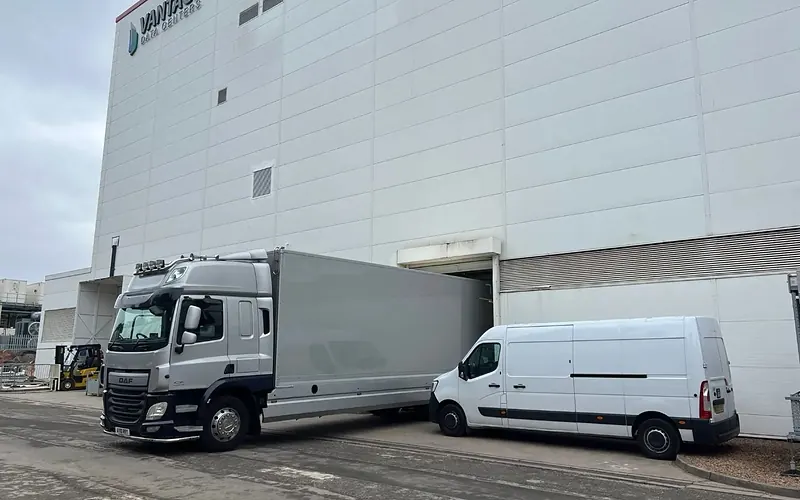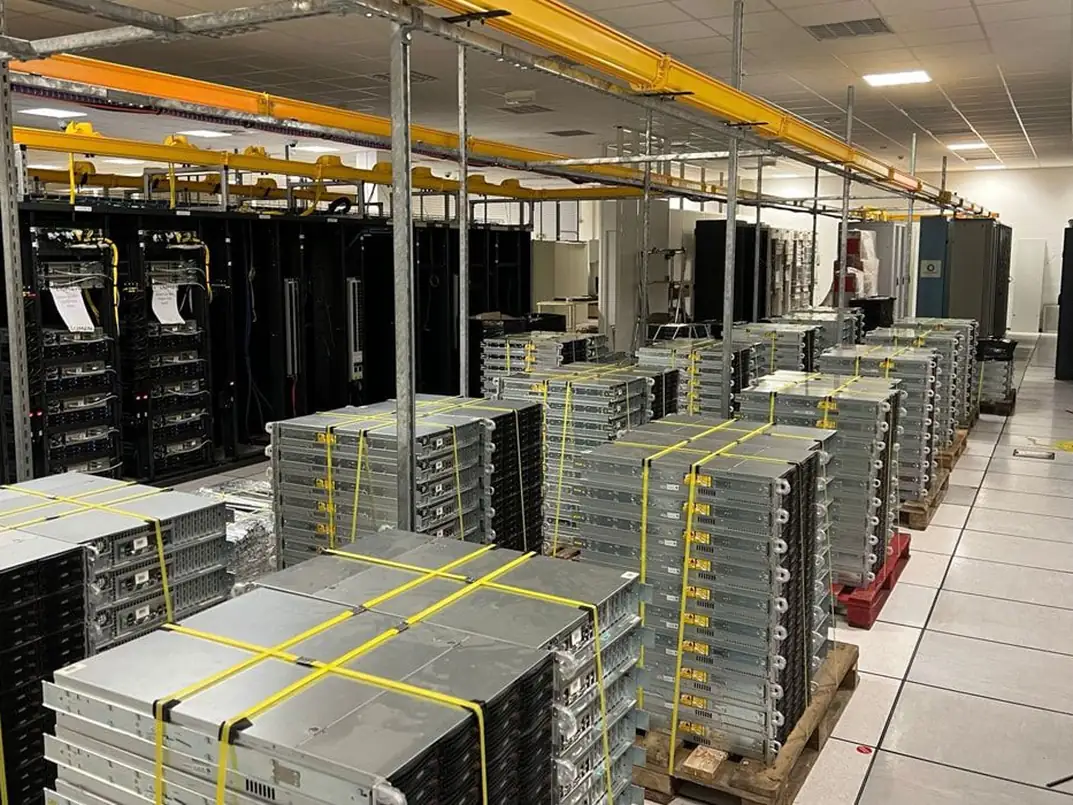




A row of racks in a data centre during the migration.

Eight racks moved in London by split day and night teams

Moving eight racks between sites in London took months of planning and one carefully split migration day. We surveyed both sites, traced and audited every cable, pre-cabled the destination, then ran separate teams for day and night de-rack and re-rack, cable retrieval, and patching and support.

Client type
An organisation moving live racks between two London sites
Scope
Site surveys, cable trace and audit, pre-cabling, de-rack, transport, re-rack, patching and support
When
August 2024
Where
London, England
Results

The challenge

A rack move is easy to describe and hard to do. Eight racks, live equipment, a shutdown window and two sites. Get the cabling wrong and the kit arrives in the right place but does not work.

The planning ran for months. Nothing could start until the stakeholders had signed off, and the shutdown had a fixed time. Until then, all we could do was prepare.

The first day on site was a day shift of labelling, then waiting for the shutdown. That waiting is part of the job. Teams who rush a shutdown tend to meet the consequences at re-rack.

Our approach

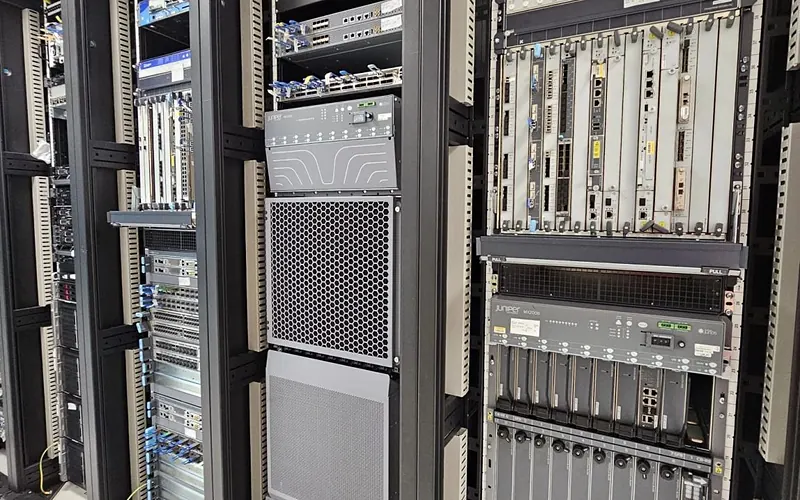
We started with site surveys. We looked at both ends: access, lifts, rack positions, power and the route between them. Then came a full cable trace and audit of the eight racks, so we knew what connected to what before anything was unplugged.

That audit fed the pre-cabling. We did the cabling at the destination site ahead of time, so on migration day the racks had somewhere ready to land. There were extensive Teams calls along the way, and sign-off by all the stakeholders before we touched anything live.

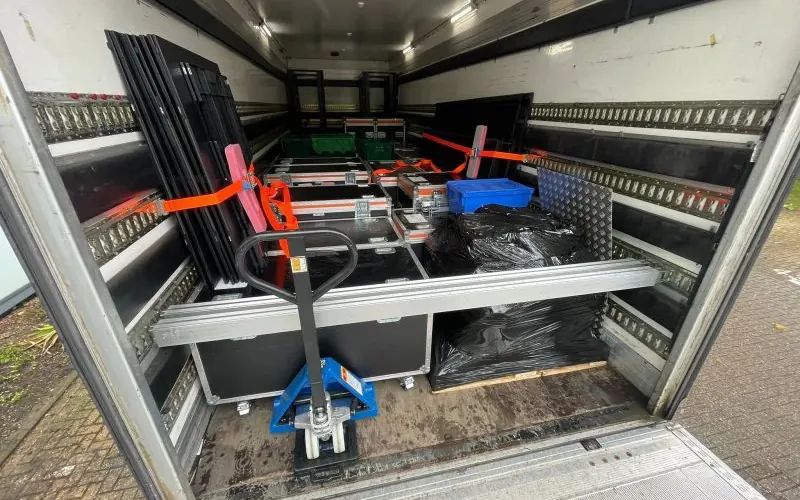
On migration day we split the work into teams. Two teams covered a day and night shift for the de-rack and re-rack, including the logistics between sites.

A further team handled the trace and retrieval of cables. Another team did the patching and support at the destination.

Splitting day and night is a practical choice. Racks are heavy and the job is long. A relief team means the people lifting at the end of the move are not the ones who started it.

Every rack was labelled before it moved, which is why the first day shift was spent on labels and then waiting for the shutdown.

The result

The move was prepared for months: surveyed sites, a traced and audited set of eight racks, a pre-cabled destination, stakeholder sign-off and four clearly defined teams on the day.
Because the cabling is what makes a rack work. If you do not know what connects to what, you rebuild it from guesses at the other end.

We trace every cable, record it and label it first. Then the destination can be pre-cabled, and the racks land somewhere ready.

A rack move is long and physical. One crew working straight through gets tired, and tired people make mistakes with live equipment.

Two teams covering day and night shifts keep the de-rack and re-rack moving without that. A separate team handles the cables, and another handles patching.

Longer than you expect. This one was months in the planning, with surveys, calls and stakeholder sign-off before anything moved.

A small move can be quicker, but the survey and the cable audit still come first. Call +44(0) 1932 247 365 and we will talk through your dates.

Related case studies

See all case studies

Services used

Similar project?

Tell us how many racks, which sites and when the shutdown window is, and we will start with a survey.

We reply to every enquiry. Your details are used only to answer it. Privacy notice

Thank you, your enquiry has been sent

We have your details. Someone from the team will read it and come back to you by phone or email.

CallGet a quote