Search The Site

Search The Site
Move sensitive clinical devices safely and on schedule. Our white-glove teams transport, position, and install medical and scientific equipment with infection-control etiquette, stair climber expertise, and full RAMS. From manufacturer to ward, or between departments, we deliver room-of-choice placement with proof you can file.
We coordinate with estates and clinical teams to hit constrained windows and keep patient areas clear.

Since the UK left the EU on 31 January 2020, every load going out or coming back needs an entry, and we do ours in house rather than through a broker who has never met the driver. Customs clearance covers import and export declarations, ATA Carnets, T1 transits, GMRs and Port Passes. We need a Power of Attorney signed by a company official first. Where you have no EU entity we may be able to provide an exporter or importer of record. It is not cheap.


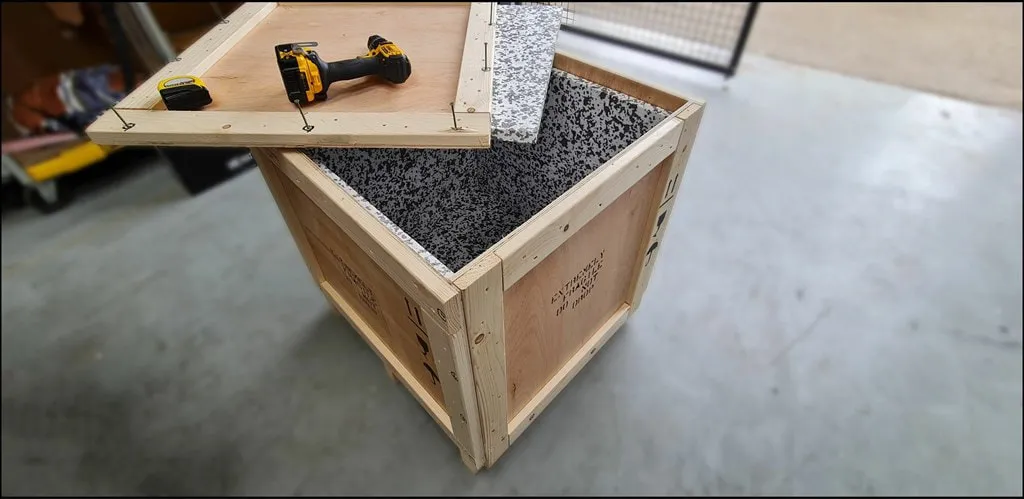
Export case packing means a bespoke wooden crate built round the item rather than the item forced into a box, and it is what you need when goods are going worldwide by multi mode transport and will be handled by people you will never meet. Crates are made from certified and treated timber, any size, with screwed lids and one screwed side so the contents come out without a crowbar. Inside, polystyrene or foam inserts and anti-static bubble bags. ShockWatch and TiltWatch labels go on the outside.
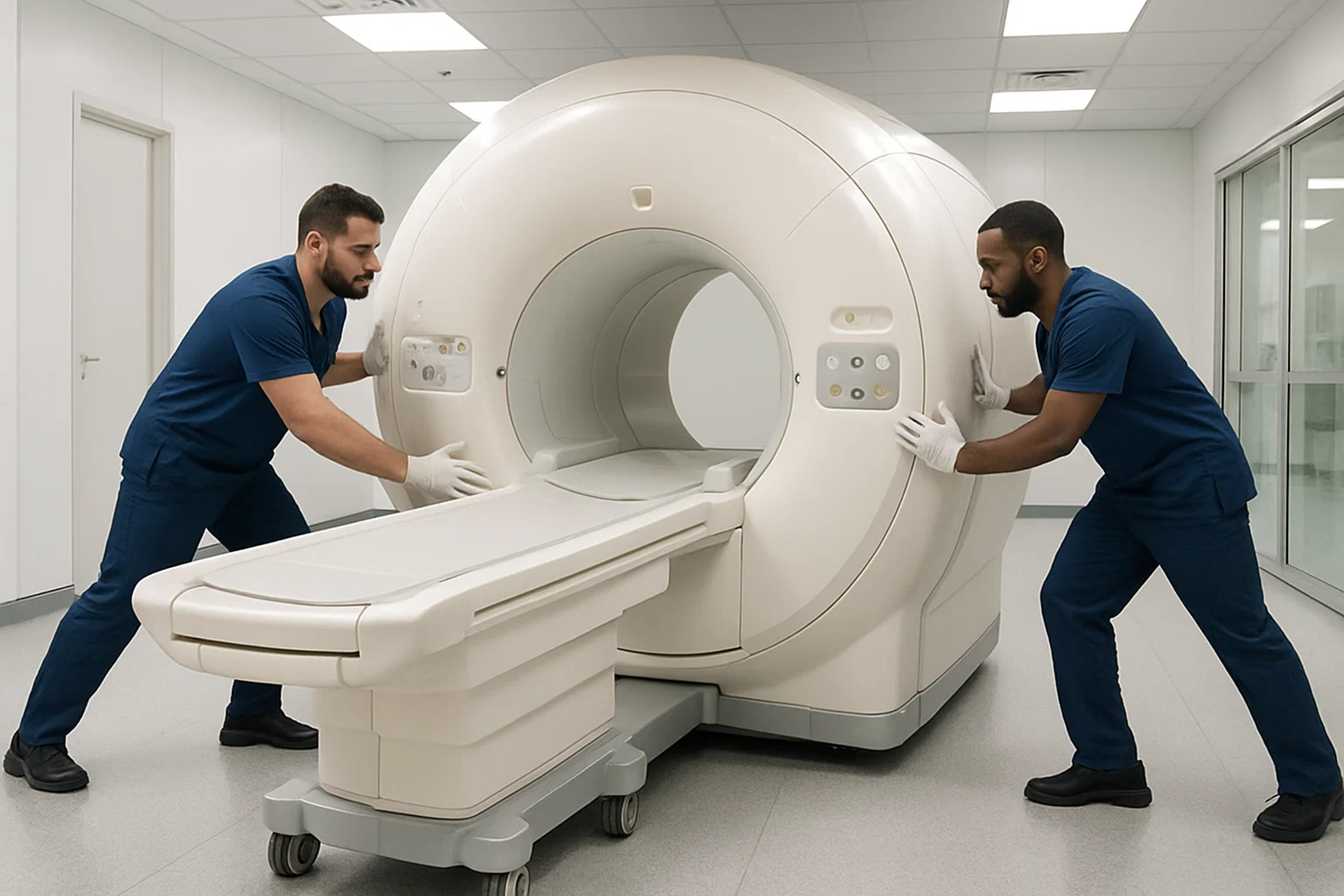
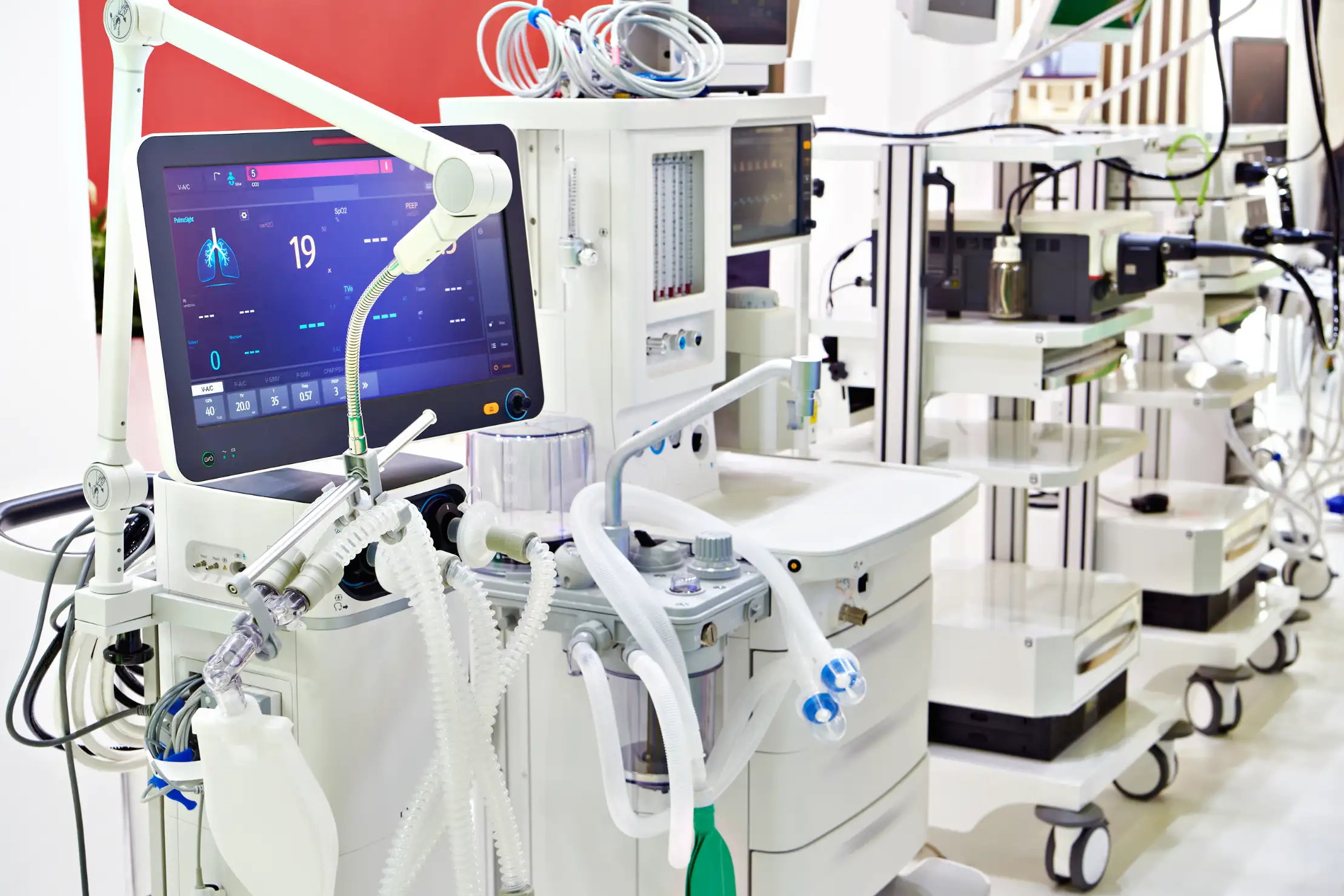
Analysers, imaging equipment, centrifuges and biosafety cabinets all travel the same way with us: our own air ride vehicles, our own flight cases, our own crews. Payloads run from 900kg to 7000kg, and the smallest Renault Trafic will get into an underground car park with a 2.0 metre height restriction, while the 18 tonne DAF has a 2.5t cantilever tail lift for anything that has to stay on its pallet. No lift, no problem. Medical and scientific equipment transport from Heathrow and Farnborough, since 1996.

Secure transport, for us, means the vehicle, the driver and the handling kit all belong to Secure Transportation, so there is nobody in the chain we have not trained and nobody we cannot get hold of at two in the morning. Vehicles are plain and unsignwritten, fitted with Thatcham approved deadlocks and remote engine immobilisation, and tracked to street level anywhere in Europe. Much of our work sits under mutual NDAs. ISO 9001:2015 accredited, RHA members, registration number 012412.
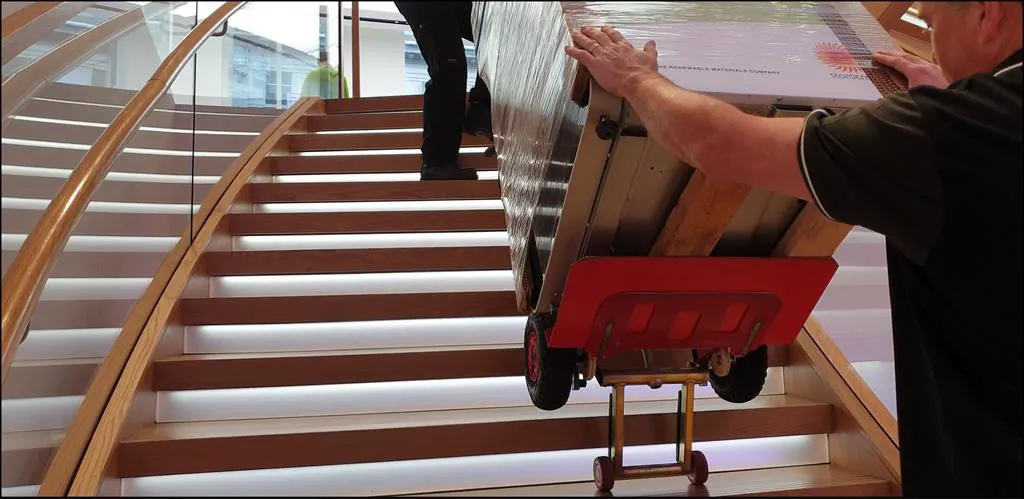
No lift, no problem. Our go to machine is a red Stanley Handling SC620, a 46kg powered stair climber that takes 310kg up and down stairs at nine steps a minute with a 300 step range on one charge, and where the load is heavier the blue PowerMate M-1 handles 454kg on stairs with two people on it. We used one to put a 300kg 47u rack on the tenth floor. Used mainly where lift access is not permitted or the item simply will not fit.

UK transport coverage runs out of two bases, one at London Heathrow at the heart of the UK colocation datacentre industry and the other near Farnborough Airport about 30 minutes away, which puts most of the country inside a straightforward day's drive. We run 24 hours a day, seven days a week, 365 days a year, and vehicles are tracked to street level. The M25 corridor is our back garden. Everything north of that is a day out and we plan it as one.
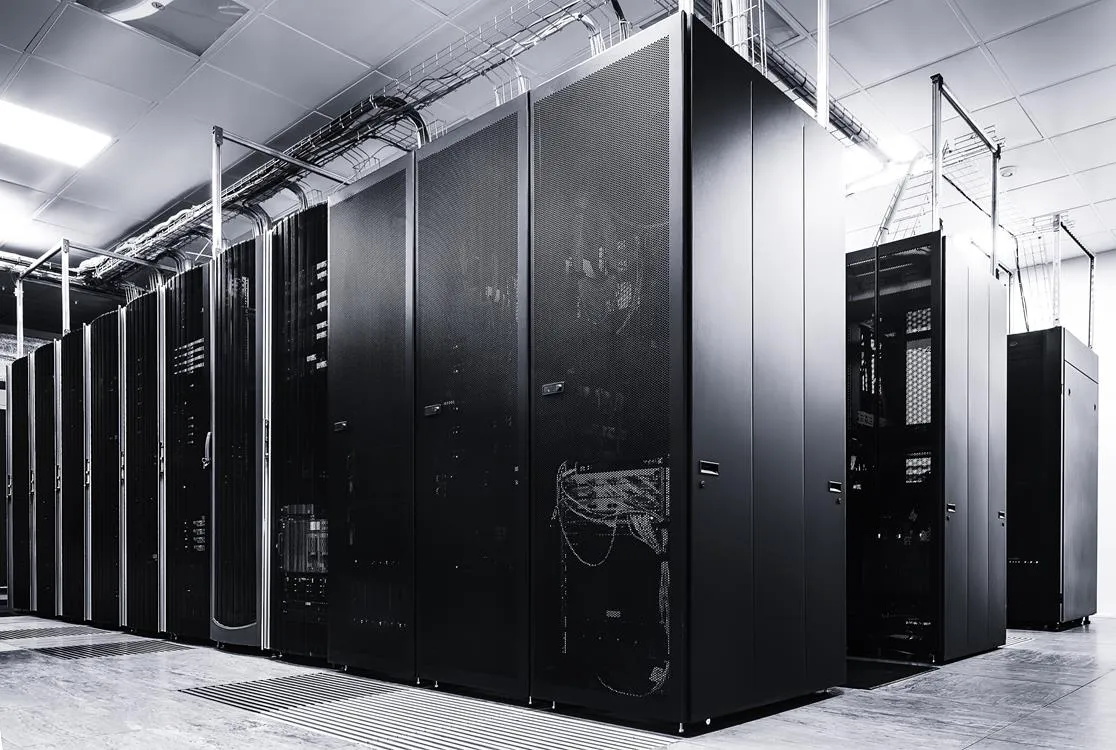
We run two warehouses. One is at Hayes next to London Heathrow, at the heart of the UK colocation datacentre industry, and the other is our Farnborough Airport headquarters half an hour away in Hampshire. Between them there are 850 racked pallet spaces, 150 out of gauge floor spaces and four pre-staging racks with power and full fibre, so vendor deliveries can come in, sit on our warehouse management system, be built and tested, and go out to site on our own vehicles.
.webp)
Long term or short term storage for IT equipment at our two warehouses, London Heathrow and Farnborough Airport. 850 racked pallet spaces, and another 150 out of gauge floor spaces for the things that will not sit on a pallet. Everything is held on our warehouse management system. Both sites are alarmed to an NSI Gold alarm receiving centre with police response, on 24 hour monitored CCTV, with a 24 hour call out facility if you need access to your own kit at an odd hour.
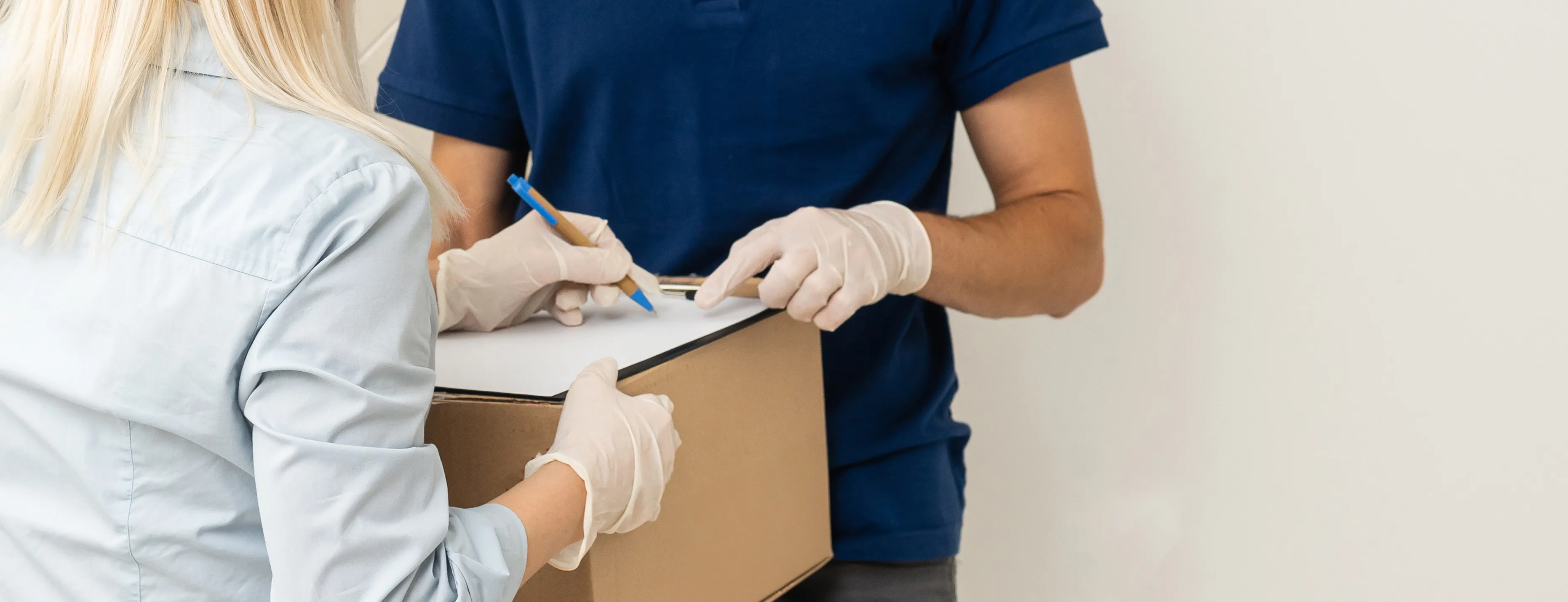
White glove is not a service line we added, it is how we have delivered since the business was a man and a van in 1996. Clinical and laboratory sites get a one or two person team, or more if the job needs it, at a time of your choosing, plain unsignwritten vehicles, delivery to the room of choice including positioning, assembly where required, and the packaging taken away and recycled rather than left in a corridor. We can wear your corporate clothing if you prefer.
We prepare Risk Assessments and Method Statements tailored to site rules. Post-delivery, you receive photo evidence, sign-offs, and if needed, equipment condition notes.

DBS where required, PPE, infection-control awareness, and quiet working during clinical hours.
Manual handling, stair climber certification, and appropriate cover for high-value devices.
We work around clinics, theatres, loading bay restrictions, and silent hours. Your coordinator gets real-time updates and a direct line to the crew lead.

We plan to SLA windows (overnight/weekend) for NHS theatres, wards, and private clinics, with GPS-tracked vehicles, live ETA updates, and RAMS-approved schedules to meet strict healthcare logistics UK access rules.

Standby vehicles, white-glove clinical crews and stair-climber teams on call, plus lift/loading-bay bookings and pre-staging to protect installation windows and minimise clinical downtime.
Optimised routes across the UK (and EU where required) for medical & scientific equipment transport, with chain-of-custody scans at each hand-off and documented OTIF performance for procurement and compliance review.

Share device types, access constraints, and timelines. We will propose a safe route and confirm resources.

© 2026 Secure Transportation• All Rights Reserved • Terms & Conditions • Privacy Policy • Cookie Policy







.png)