Search The Site

Search The Site
We have been moving servers since before most data centres on the M4 corridor existed. A job might be one 1u chassis going across London overnight, or five hundred servers coming out of a live hall over two weekends, and both get the same treatment: assets audited and reconciled to serial, rack elevations and a patching schedule agreed in writing, RAMS with your building manager before we arrive, and everything labelled before a single screw comes out. We pre-stage at our own warehouses next to Heathrow and in Hampshire near Farnborough, run our own vehicles into Europe on our own operators licence, clear the customs in house, and take the old estate away for shredding afterwards if you want it gone.
We plan and run complex server and network moves for SaaS providers, financial services, telecoms, managed service providers and public sector estates. That covers multi-site audits, rack maps, booking the lift and the loading bay, negotiating the access window with a building that will not let you start before six, routing across Europe, and testing at the far end until it is signed off. Our own Chassis Lift and Slide System takes anything from 1u to 36u and up to 400kg straight out of a rack and into a flight case, which is how a 600kg fully populated router gets moved without four people and a prayer.

We are firmly established with several Alt Net clients. The work runs from OLT chassis builds on our pre-staging racks at Farnborough, through kitting and inventory management on our warehouse system, to kerbside installs on full fibre broadband cabinets where our engineers fit the devices and make the basic connections ready for your own people to follow up behind. Hardware can be powered up and tested before it leaves us, and it travels mounted in SKB shock rack water resistant flight cases.



Nothing moves until it is on the list. Make, model and serial go onto a handheld barcode scanner, the list is reconciled against your own inventory, and the variances get flagged straight away rather than three weeks later when somebody in finance finally notices. At the far end we scan again and prove that what left is what arrived. The same process runs for office moves, data centre migrations and equipment coming back for disposal, and it is the record everything else on a project hangs off.
We have been moving computers since 1996, in our own plain vans and lorries, on our own Standard International Goods Vehicle Operators Licence. Payloads run from 900kg in a Renault Trafic that will still get into an underground car park with a 2.0 metre height restriction, all the way up to 7000kg in the 18t DAF with its 2.5t cantilever tail lift. Nothing is subcontracted. Everything travels on air ride suspension, strapped to E-track at three levels with padded rails and shoring poles.
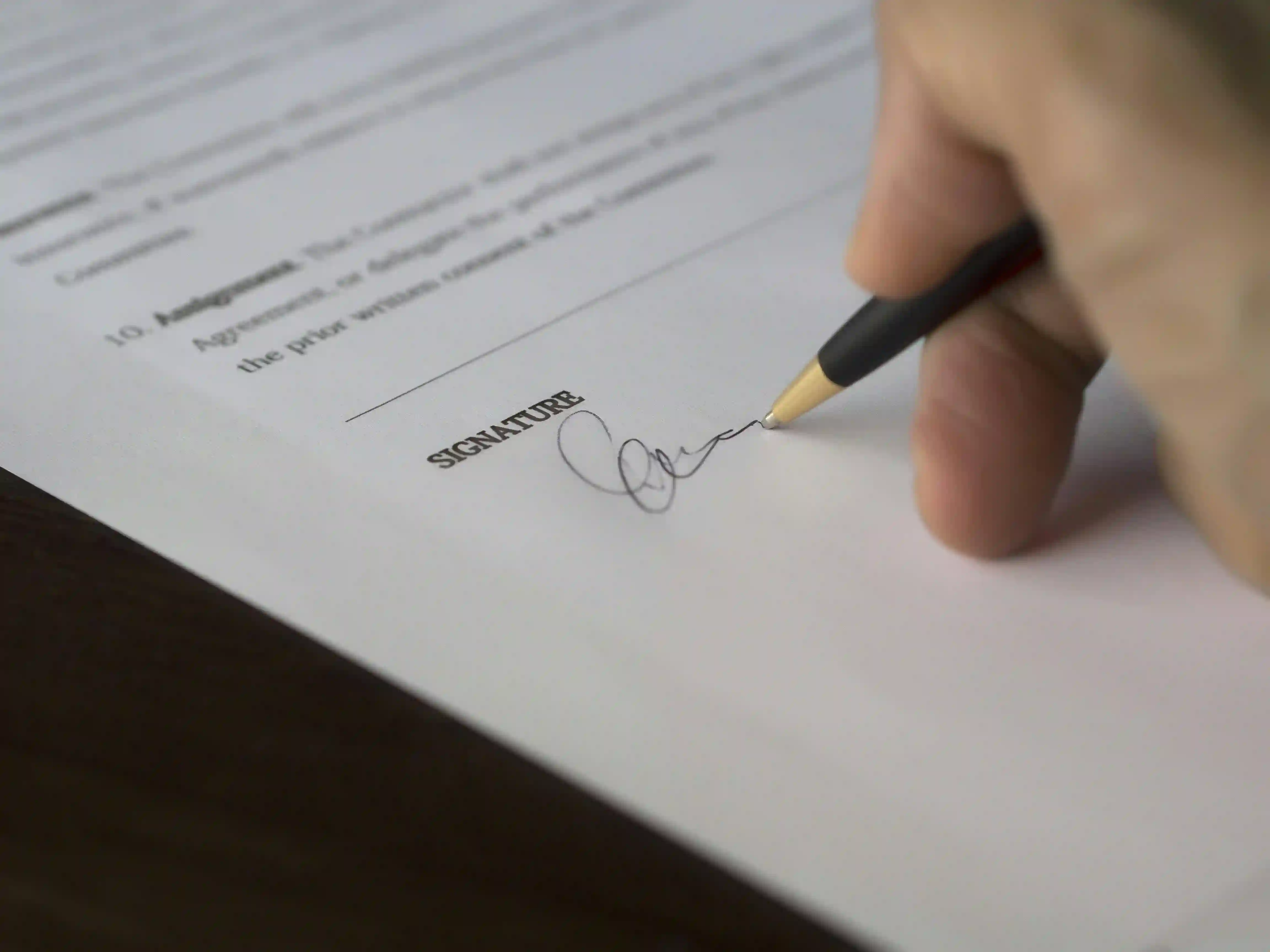
Since the UK left the EU on 31 January 2020, every load going out or coming back needs an entry, and we do ours in house rather than through a broker who has never met the driver. Customs clearance covers import and export declarations, ATA Carnets, T1 transits, GMRs and Port Passes. We need a Power of Attorney signed by a company official first. Where you have no EU entity we may be able to provide an exporter or importer of record. It is not cheap.
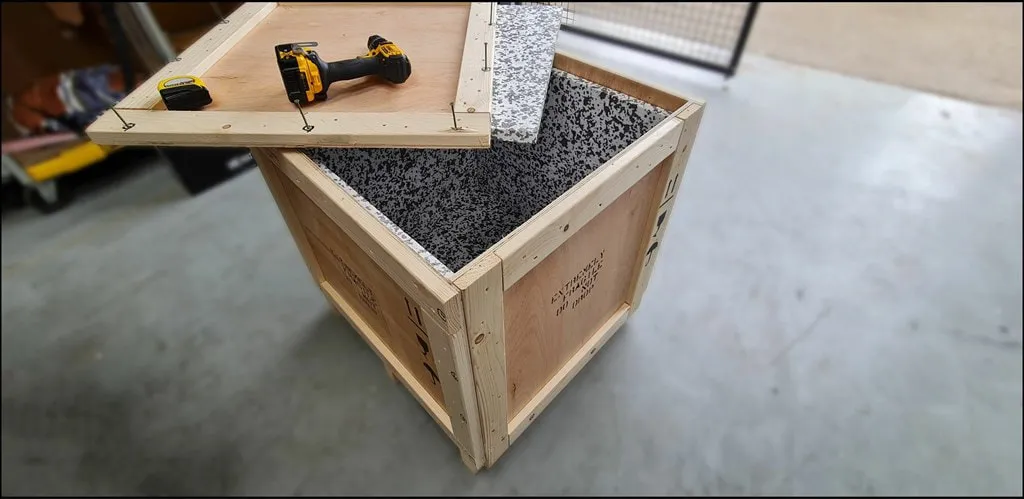
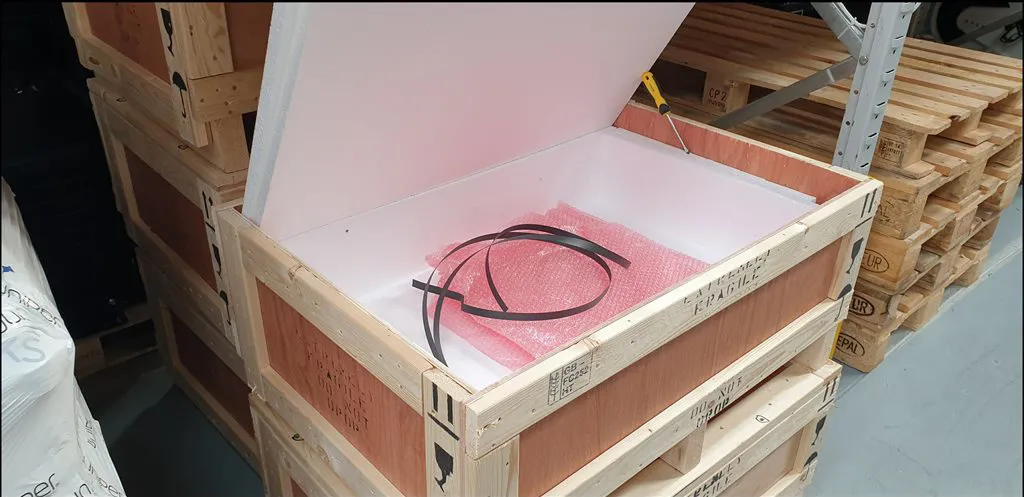
Export case packing means a bespoke wooden crate built round the item rather than the item forced into a box, and it is what you need when goods are going worldwide by multi mode transport and will be handled by people you will never meet. Crates are made from certified and treated timber, any size, with screwed lids and one screwed side so the contents come out without a crowbar. Inside, polystyrene or foam inserts and anti-static bubble bags. ShockWatch and TiltWatch labels go on the outside.
.webp)
Retiring an estate is mostly a paperwork problem. We pre-sort your kit, build our own asset register and cross-reference it against yours, then strip every visible asset tag so nothing traces back to you. Drives and SSDs come out and go through our HSM shredder, serials scanned into the certificate of destruction. What is left goes to our approved precious metal refiners and to an Approved Authorised Treatment Facility (AATF) who issue the WEEE certification. Nothing goes to landfill. Reusable kit can be stored, redeployed or donated instead.
.webp)
IT relocation and installation, from a single 1u server going across London to the repurposing of 500 servers that has to be project managed, part pre-staged at our warehouse and then implemented across several data centres. We do the desk end too. Ten desks or a hundred, tote boxes for the PCs and flight cases for anything delicate. Our own crews, our own vehicles, our own server lifts and stair climbers, and most of the work happening overnight or at weekends because that is when the change windows are.
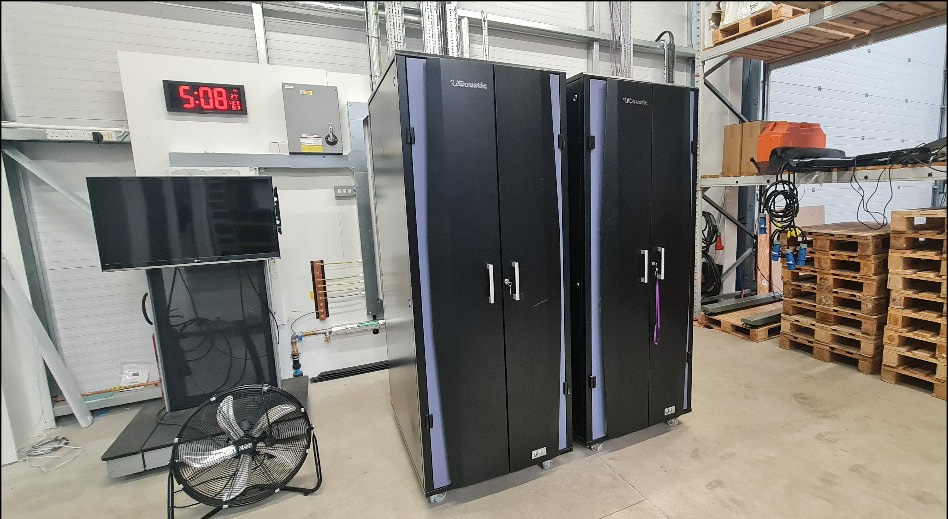
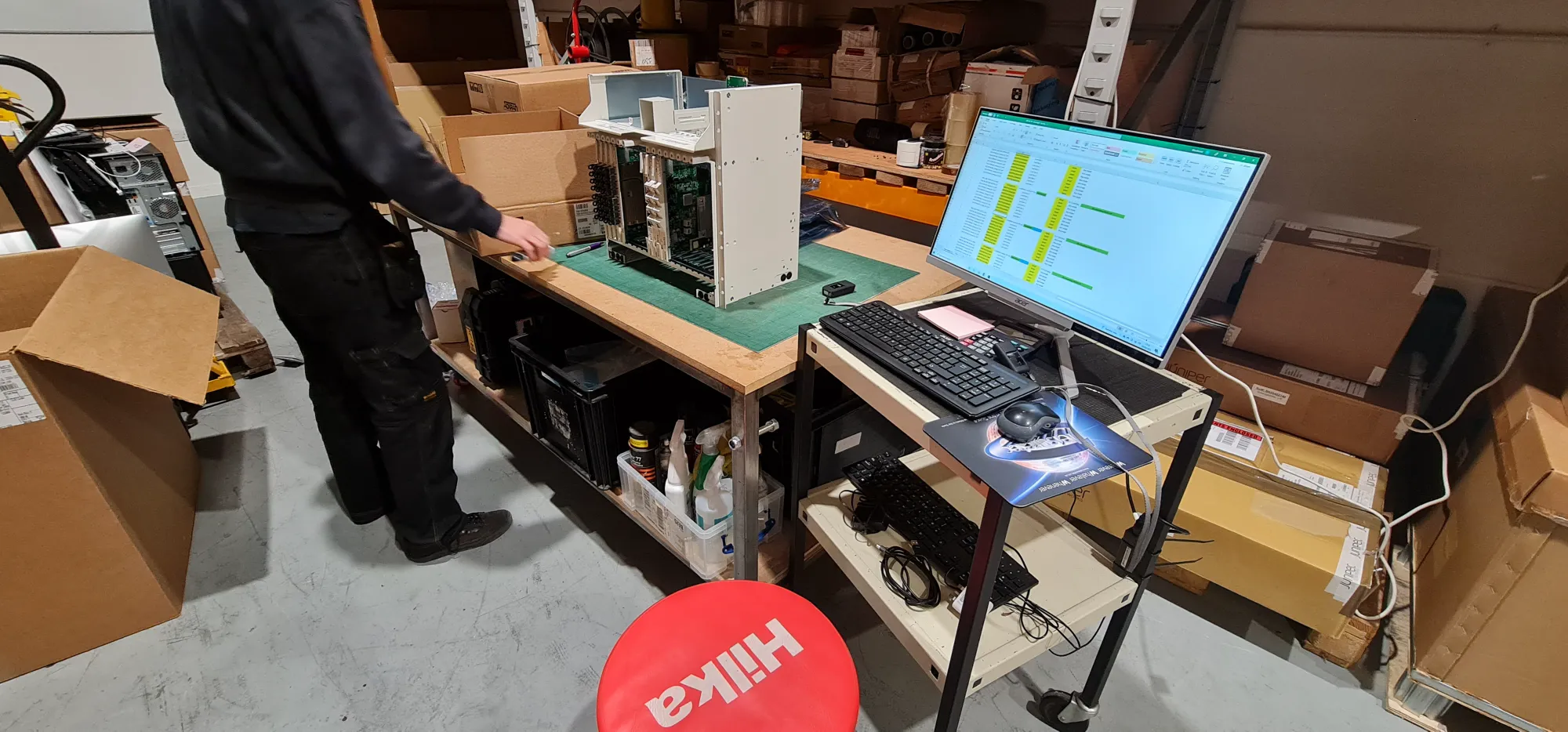
Our pre-staging facility spans two warehouses. Farnborough Airport has three 42u racks with power and full fibre connectivity, London Heathrow has a 24u, and both sites have three phase power distributed to 16 and 32 amp 240 volt outlets, build areas and prep tables. Hardware is received, racked, powered up, configured and tested before it goes anywhere near your site. There is a hot desk at Farnborough if you want your own engineer sitting with it.
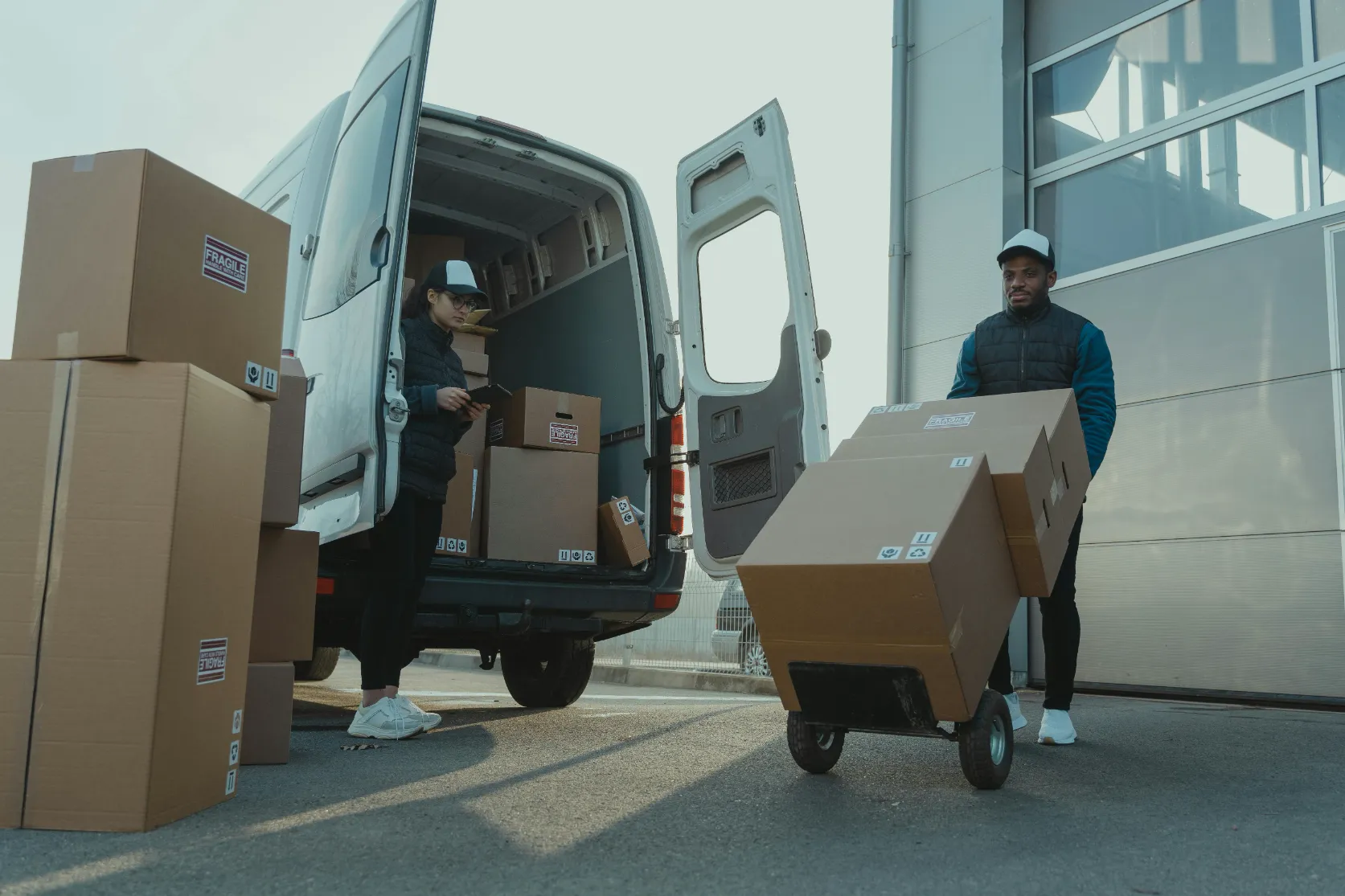
Secure transport, for us, means the vehicle, the driver and the handling kit all belong to Secure Transportation, so there is nobody in the chain we have not trained and nobody we cannot get hold of at two in the morning. Vehicles are plain and unsignwritten, fitted with Thatcham approved deadlocks and remote engine immobilisation, and tracked to street level anywhere in Europe. Much of our work sits under mutual NDAs. ISO 9001:2015 accredited, RHA members, registration number 012412.
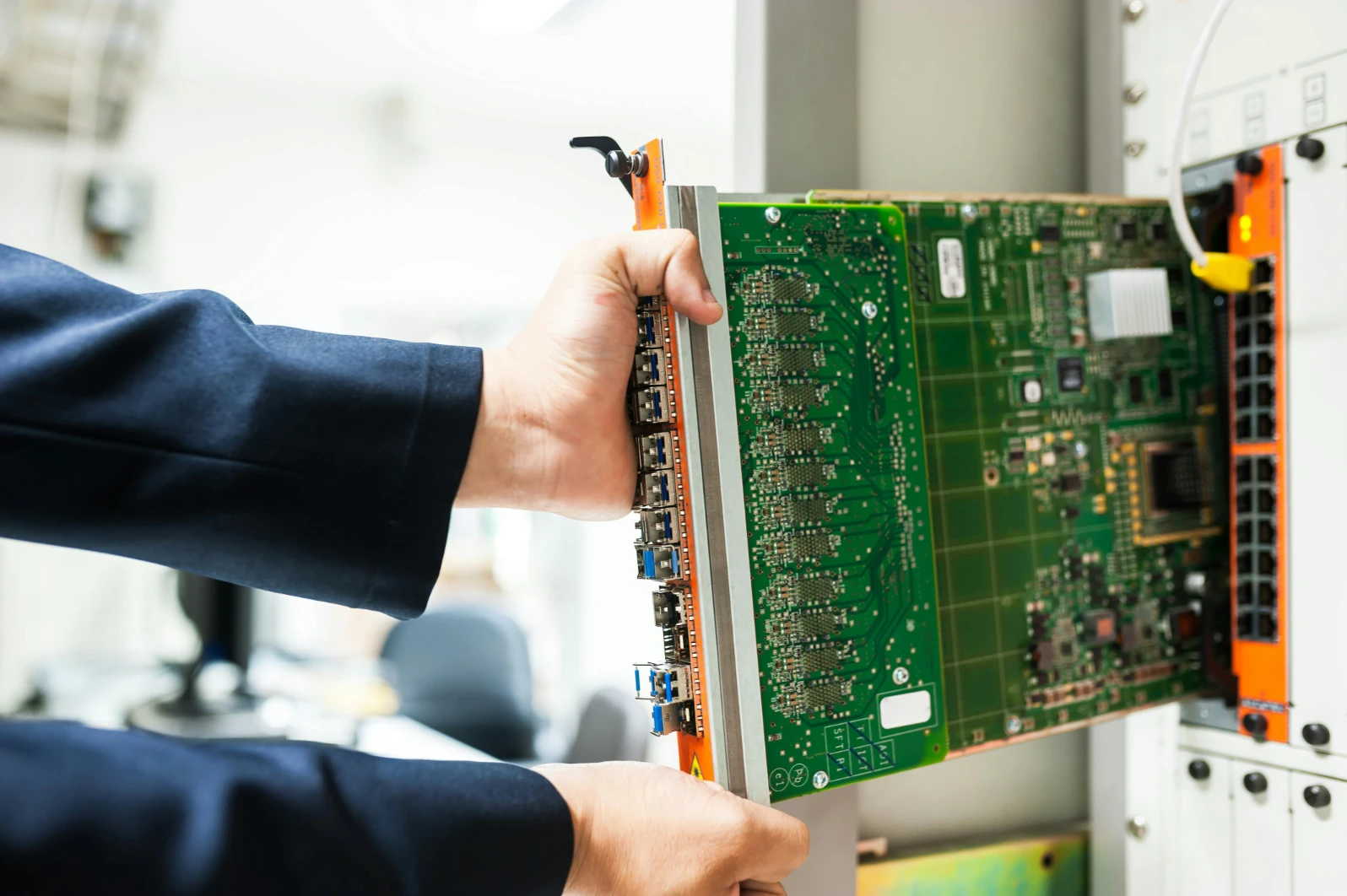
We have been relocating servers since 1996 and we still do it with our own crews, our own vehicles and our own handling kit. The job might be a single 1u server crossing London, or a fully populated 36u router weighing 600kg that has to come out of a live rack, travel to Frankfurt in a shock mount flight case and go back in without a mark on it. Either way the method is the same. Most of it happens overnight or at weekends.
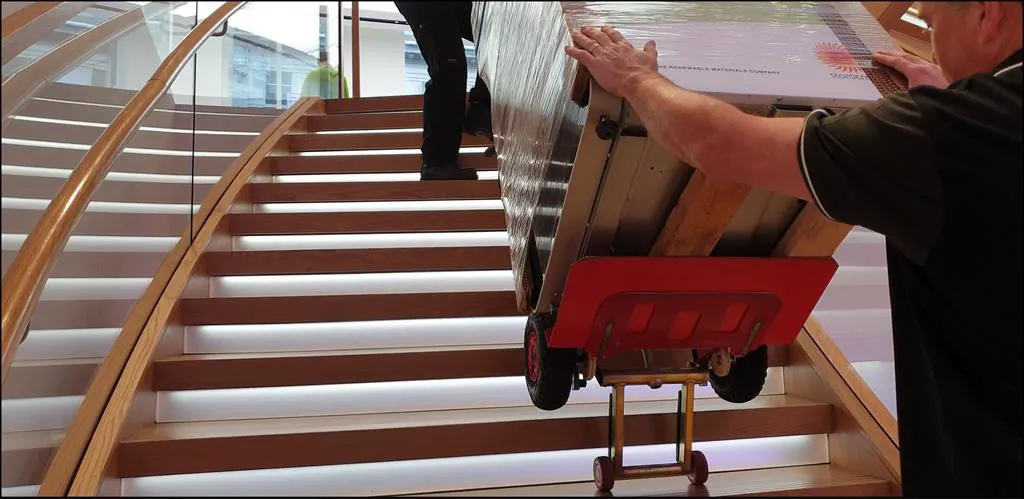
Used primarily where lift access to the upper floors is not permissible, or the item simply will not fit in the lift. We run two powered stair climbers. The red Stanley Handling SC620 weighs 46kg, takes 310kg up and down at nine steps a minute and manages 300 steps on a charge, which makes it our go to machine for computer chassis and racks. The blue PowerMate M-1 goes heavier, 454kg on stairs with two operators. We once put a 300kg 47u rack on the tenth floor with it.

UK transport coverage runs out of two bases, one at London Heathrow at the heart of the UK colocation datacentre industry and the other near Farnborough Airport about 30 minutes away, which puts most of the country inside a straightforward day's drive. We run 24 hours a day, seven days a week, 365 days a year, and vehicles are tracked to street level. The M25 corridor is our back garden. Everything north of that is a day out and we plan it as one.
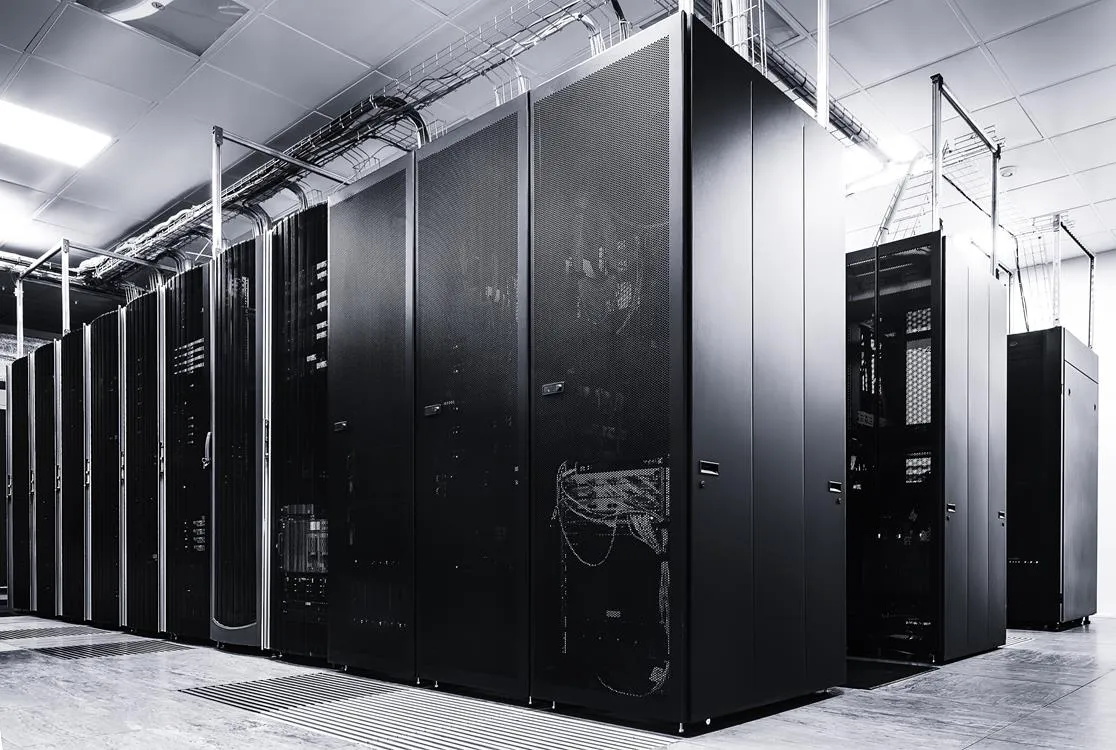
We run two warehouses. One is at Hayes next to London Heathrow, at the heart of the UK colocation datacentre industry, and the other is our Farnborough Airport headquarters half an hour away in Hampshire. Between them there are 850 racked pallet spaces, 150 out of gauge floor spaces and four pre-staging racks with power and full fibre, so vendor deliveries can come in, sit on our warehouse management system, be built and tested, and go out to site on our own vehicles.
.webp)
Long term or short term storage for IT equipment at our two warehouses, London Heathrow and Farnborough Airport. 850 racked pallet spaces, and another 150 out of gauge floor spaces for the things that will not sit on a pallet. Everything is held on our warehouse management system. Both sites are alarmed to an NSI Gold alarm receiving centre with police response, on 24 hour monitored CCTV, with a 24 hour call out facility if you need access to your own kit at an odd hour.

White glove is not a badge we bought, it is how the company started as a man and a van in 1996 and it is still the norm here. A one or two person team, or more if the job needs it, delivers at a time you choose, to the room you choose, unpacks, assembles, installs and positions, then takes every piece of packaging away for recycling. Vehicles are plain. Crews can wear your corporate clothing, and the whole service can be white labelled.
Your move plan is built around verification. We test the target environment early, segment critical paths, and define a rollback. RAMS and method statements are shared in advance to secure building approvals.
Discover and audit, pre-stage, de-install, transport, install, verify, handover. Every phase has quality gates and sign-off.
Named crew leads, seal logs, photo evidence, and time stamps from server room door to destination rack.
Rack maps, serial lists, CoDs for retired assets, and a final move report that procurement and security can file without rework.
We sit inside your governance.
Weekly updates, RAID logs, agreed SLAs, and a single point of contact who is reachable 24/7 during the window.

DBS where required, tool control, anti-static handling, and clean sites at handover.

ISO-aligned quality procedures, RHA membership, and industry-standard cover.

Share your timelines and asset counts. We will map a plan and confirm a delivery window.

© 2026 Secure Transportation• All Rights Reserved • Terms & Conditions • Privacy Policy • Cookie Policy









.png)